“Inventory,” “Mothers,” or “Real Women Have Bodies”
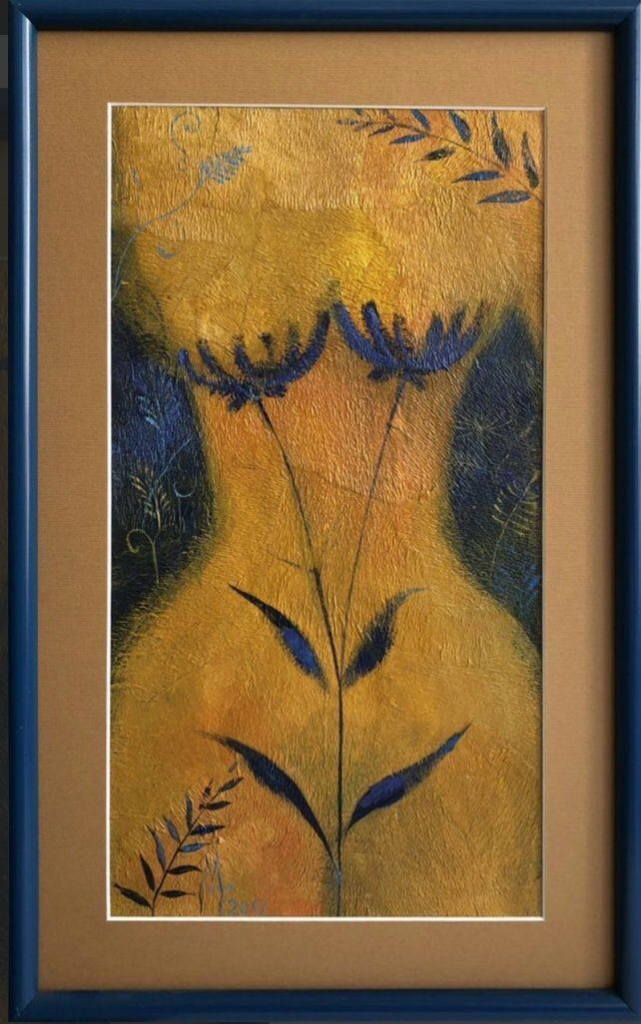
A portrait of the female body. This connects to Machado’s work by not sexualizing the body, but rather showcasing the art of the female body and how beautiful it is when left alone.
While reading ‘Inventory’, ‘Mothers’ & ‘Real Women Have Bodies’ by Carmen Machado I beg the question: “What happens when a woman’s body is finally her own?”
In ‘Inventory’ the woman is scared of her body being taken by a virus so she fills her time by indulging in the bodies of others as a way of feeling her age, of feeling distraction even.
In ‘Mothers’ the main character thinks of a world where she can live out life with her female lover as “impossible”.
In ‘Real Women Have Bodies’ the faded women belong, no longer to themselves, but to the world as something akin to products. I believe Machado brings up the theme of women’s bodies across her work because the majority of women and their bodies seemingly belong to external forces like their spouses, the world, the government, etc. This is a part of the reasoning behind aging being pushed by the media as this horrifying, harrowing and degrading transformation for women, but a wonderful, gratifying, and prideful accomplishment for men. When women’s bodies age, the world disregards them, not finding them visually useful anymore. However, men get different treatment because they never faced the objectification women in society had to. They can just live. In the ‘Real Women Have Bodies’ piece, the character of Petra, a soon to be fading woman, finds herself just wanting to be held like a child, eat chicken, and oranges, and enjoy the slowness of life. She finds envy in the idea of aging because she won’t get the chance to age anymore. This is the reality of what it may look like if women were freely given the autonomy for their own bodies without external forces utilizing them for differing purposes, or even manufacturing reasons, and insecurities for women to pick themselves apart over. Women are never given a thank you for the support they give society, for creating society. There isn’t an apology for how they were treated, used, abused, or objectified. If women were finally allowed to live, the constant need to perform for the ungrateful masses would be dismantled, and the impossible freedom would become possible.


One Comment
Paul L. Hebert (he/him/his)
This is a Comment on a Post!
About this Comment
Comments are written by site visitors and display below a Page or Post. Site visitors can comment on any Page and Post by default.
Turn Comments on/off for a specific Post/Page from the Editor > Discussion.
Customize site-wide Discussion settings from Dashboard > Settings > Discussion
Delete this comment from Dashboard > Comments.